Grass-fed,
cooked right.
Three ways to build in tenderness.
Because grass-fed beef is lean, a little prep goes a long way. Pick one — or combine them — before the heat ever hits the pan.
-
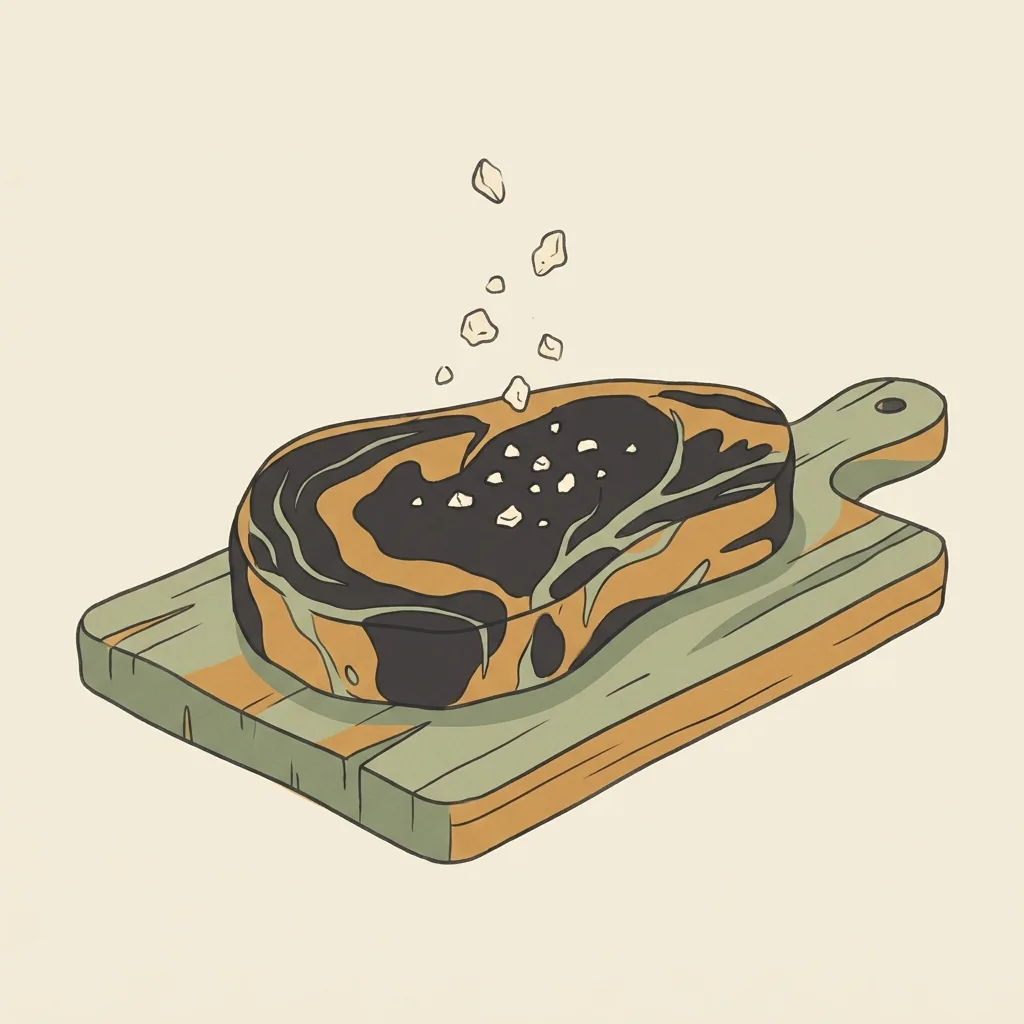 — 01
— 01Salt & dry brine
-
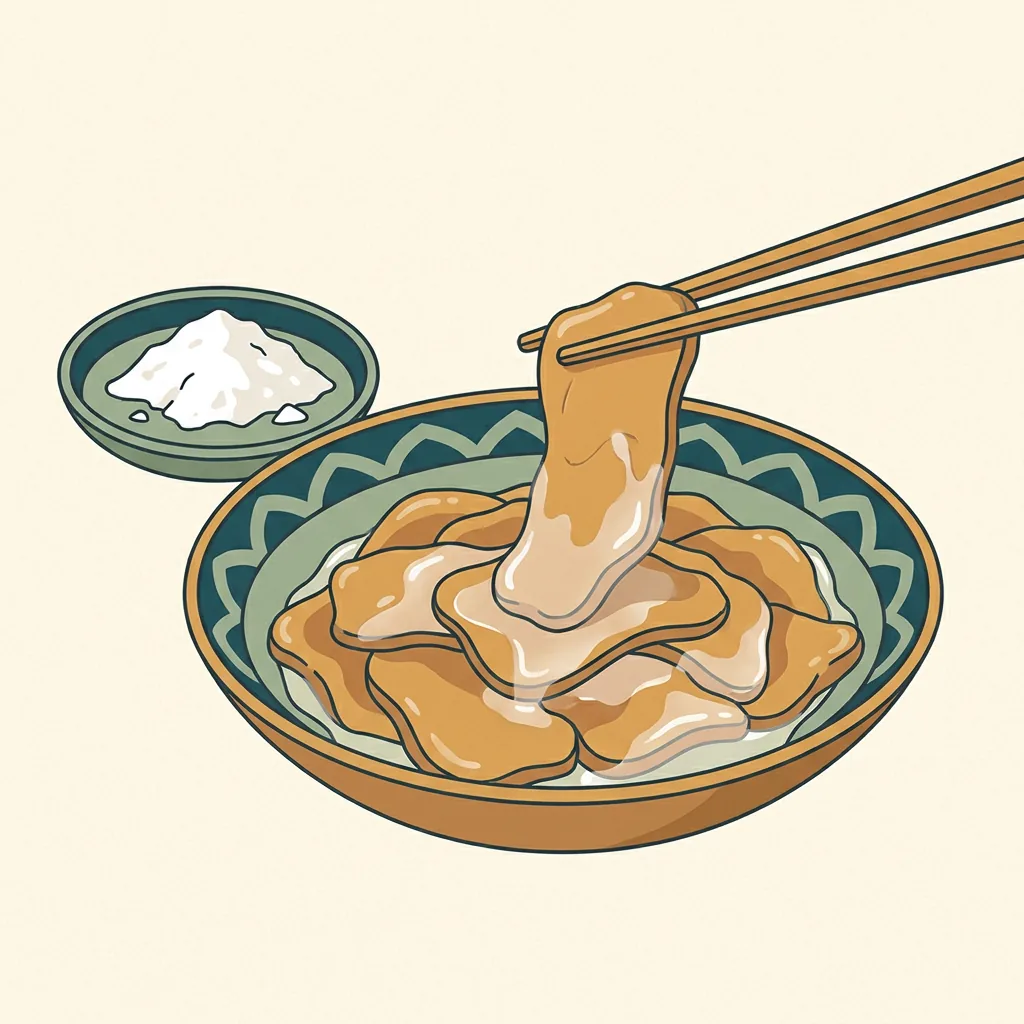 — 02
— 02Velvet with cornstarch
-
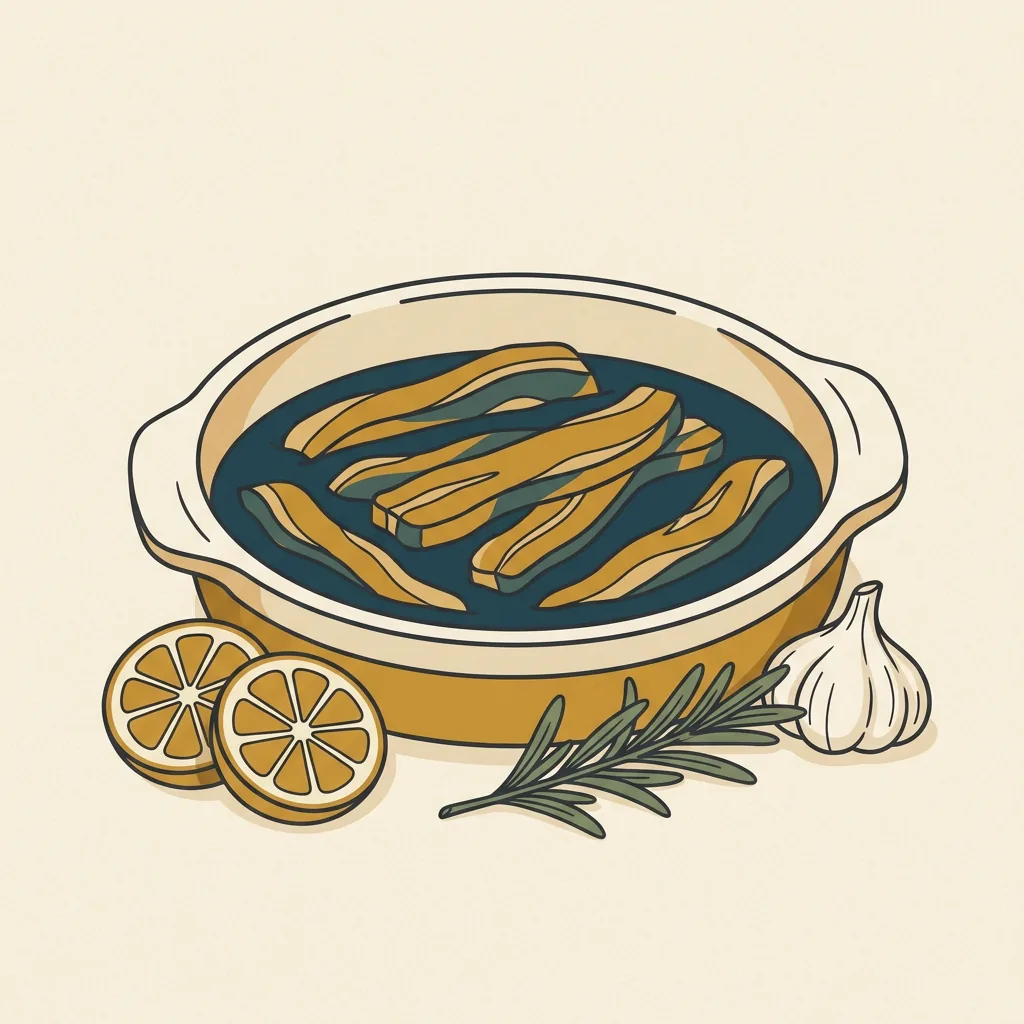 — 03
— 03Marinate
Salt / dry brining — simple and effective
Salt the beef (kosher salt works well) and let it sit uncovered in the fridge for 1 to 24 hours. The salt draws out moisture at first, then it's reabsorbed — creating a brine effect that seasons deeply and relaxes the proteins for better tenderness and juiciness. Pat dry before cooking.
Cornstarch velveting
A restaurant technique that keeps thin cuts silky through a hot stir-fry:
- Slice thin against the grain into bite-sized pieces to maximize tenderness.
- Make the slurry: combine cornstarch with water or liquid seasonings — soy sauce, rice wine, sesame oil, or Shaoxing wine. A little oil adds extra protection.
- Coat the meat: toss until evenly coated, then marinate 15–30 minutes at room temperature.
- Pre-cook: briefly blanch in boiling water (water velveting) or flash-fry in oil (oil velveting) to set the coating.
- Finish: stir-fry with vegetables or sauce. The coating turns glossy and velvety — restaurant-quality texture.
Acidic or enzymatic marinades
- Acids: vinegar, citrus (lemon/lime), yogurt, buttermilk, or wine. Marinate 30 minutes to a few hours — longer can turn it mushy. Acids denature the proteins.
- Enzymes (for very tough cuts): pineapple (bromelain), papaya (papain), kiwi, or ginger. Use fresh juice or purée for 30 minutes to 2 hours max — enzymes work fast, so don't over-marinate.
- Flavor tip: combine with oil, garlic, herbs, and soy sauce. For stir-fry beef, a baking-soda-plus-marinade combo also tenderizes well.
General tip — always pat the meat dry before cooking for a good sear.
A meat thermometer is your best friend.
USDA safe minimums shown. Season simply with salt and pepper, or marinate tougher cuts — and always slice across the grain for tenderness.
Nine primals, pasture to plate.
The best way to cook beef depends on the cut — really, on how hard that muscle worked. Active areas like the shoulder and legs love low, moist, slow heat; tender cuts from the back and ribs shine under quick, dry heat. Here's the whole animal, front to back.
-
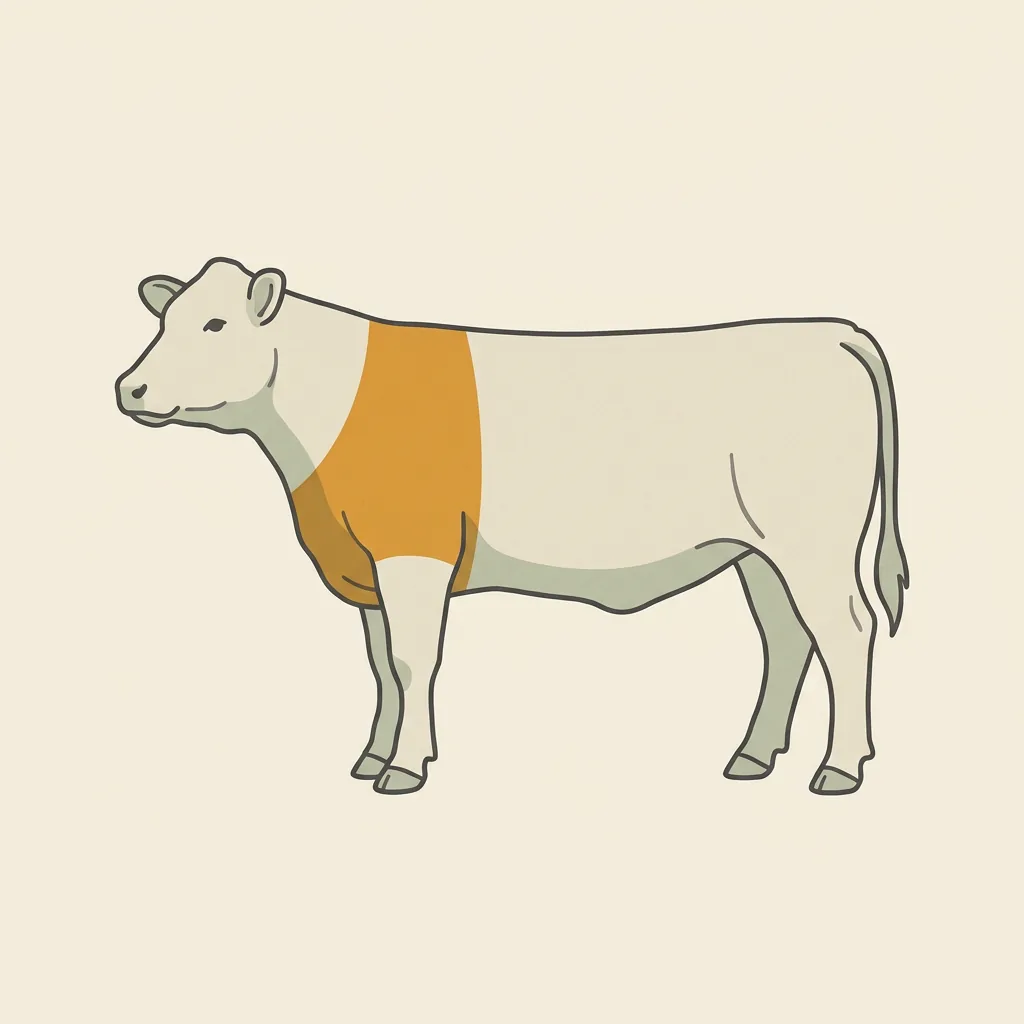 — 01 · Shoulder
Chuck
-
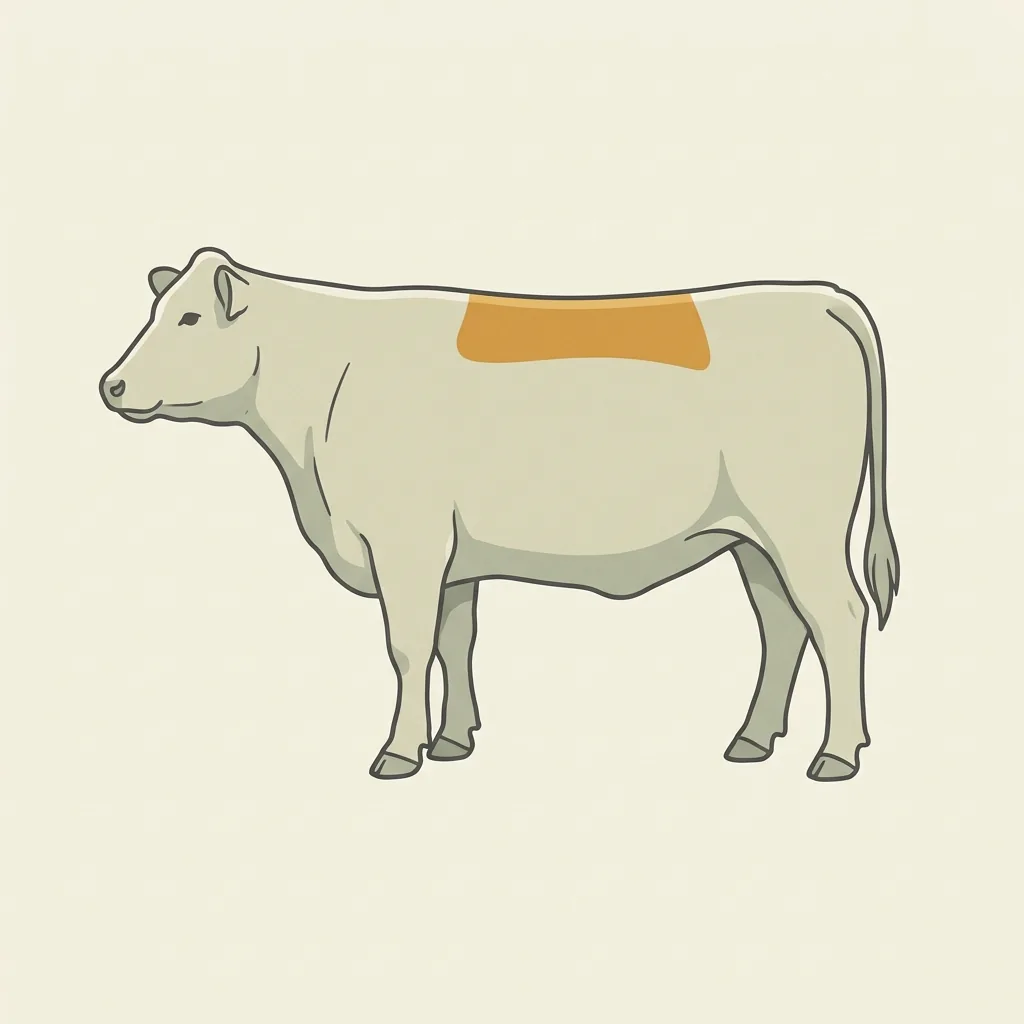 — 02 · Upper ribs
Rib
-
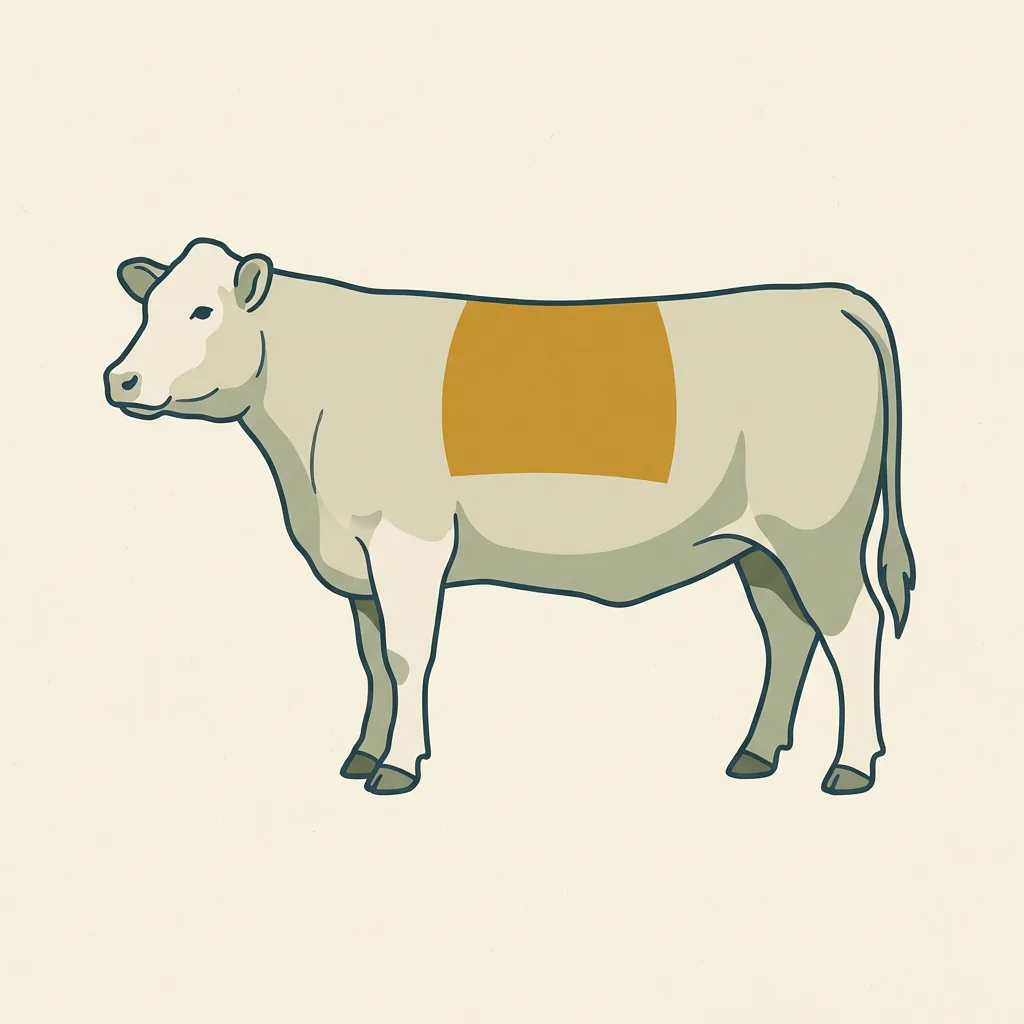 — 03 · Premium steaks
Short loin
-
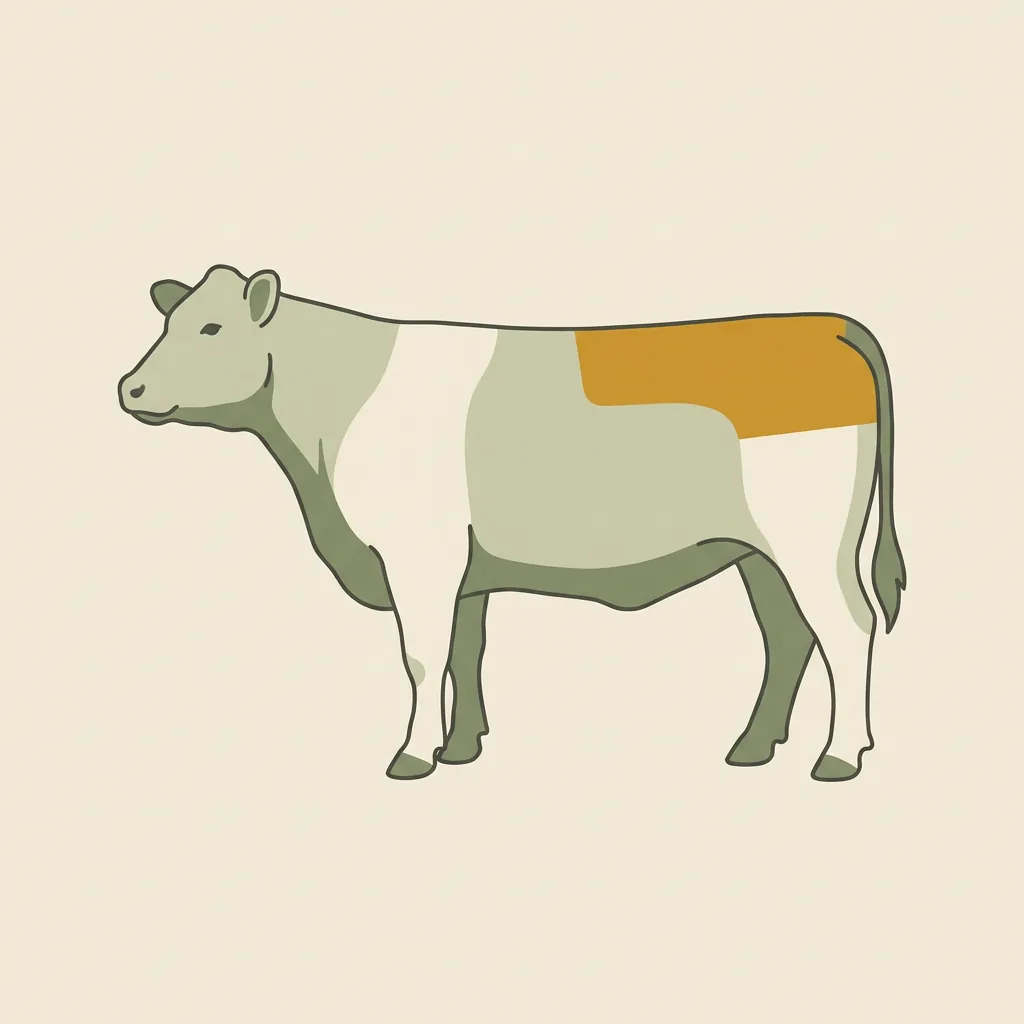 — 04 · Mid-back
Sirloin
-
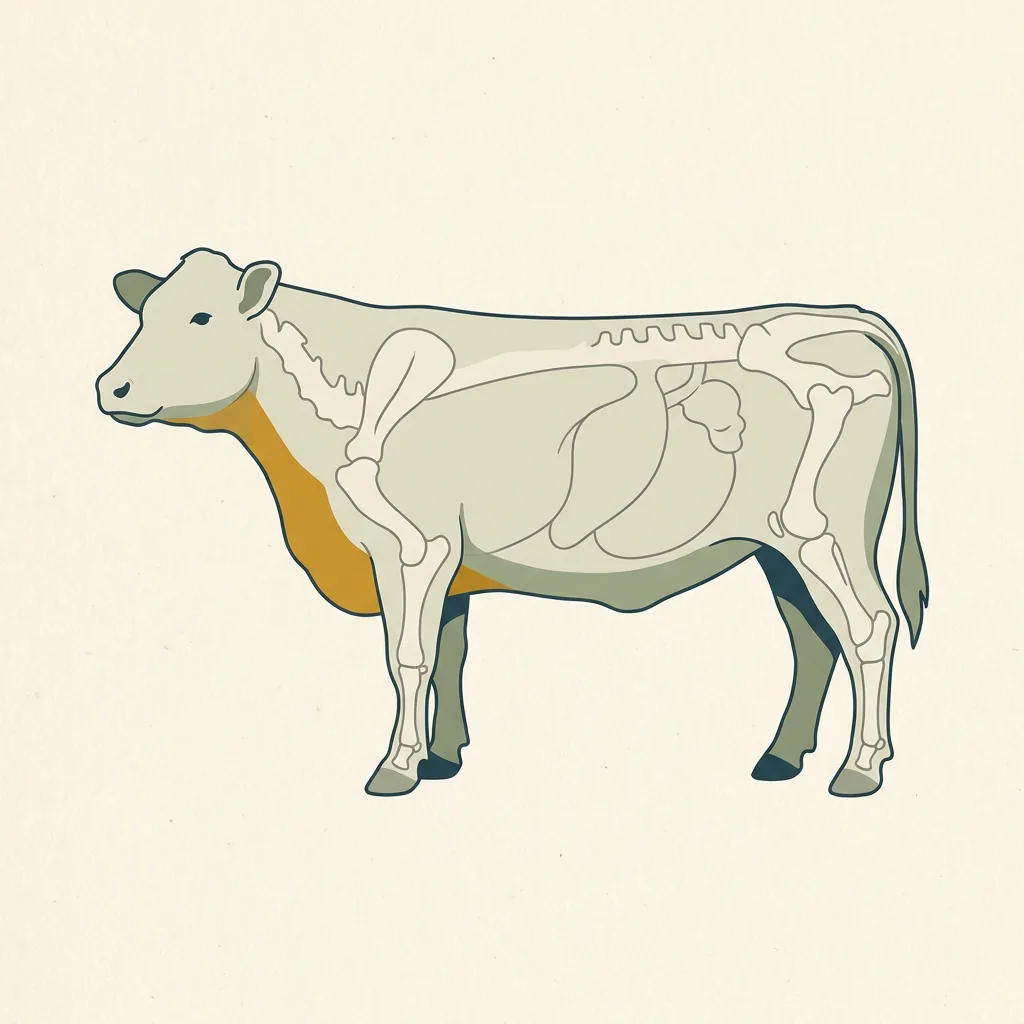 — 05 · Chest
Brisket
-
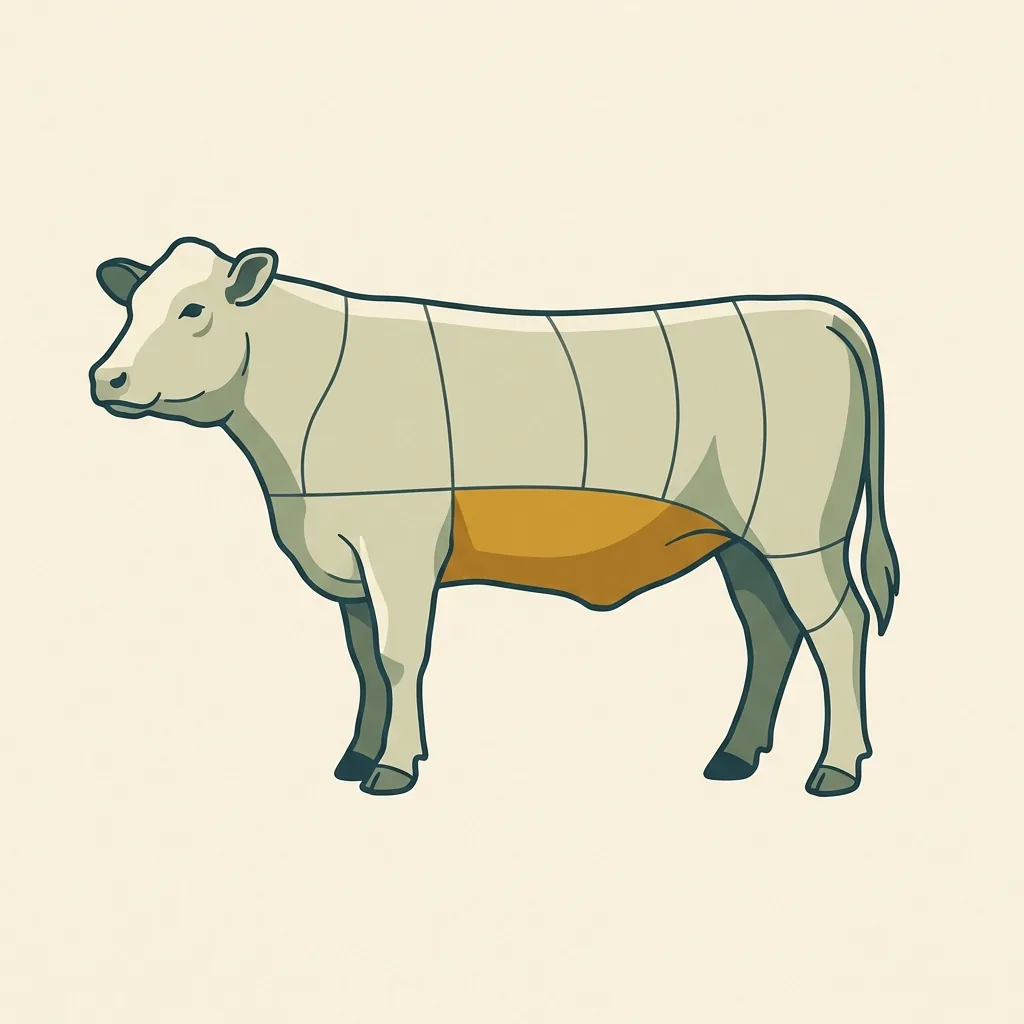 — 06 · Belly
Plate
-
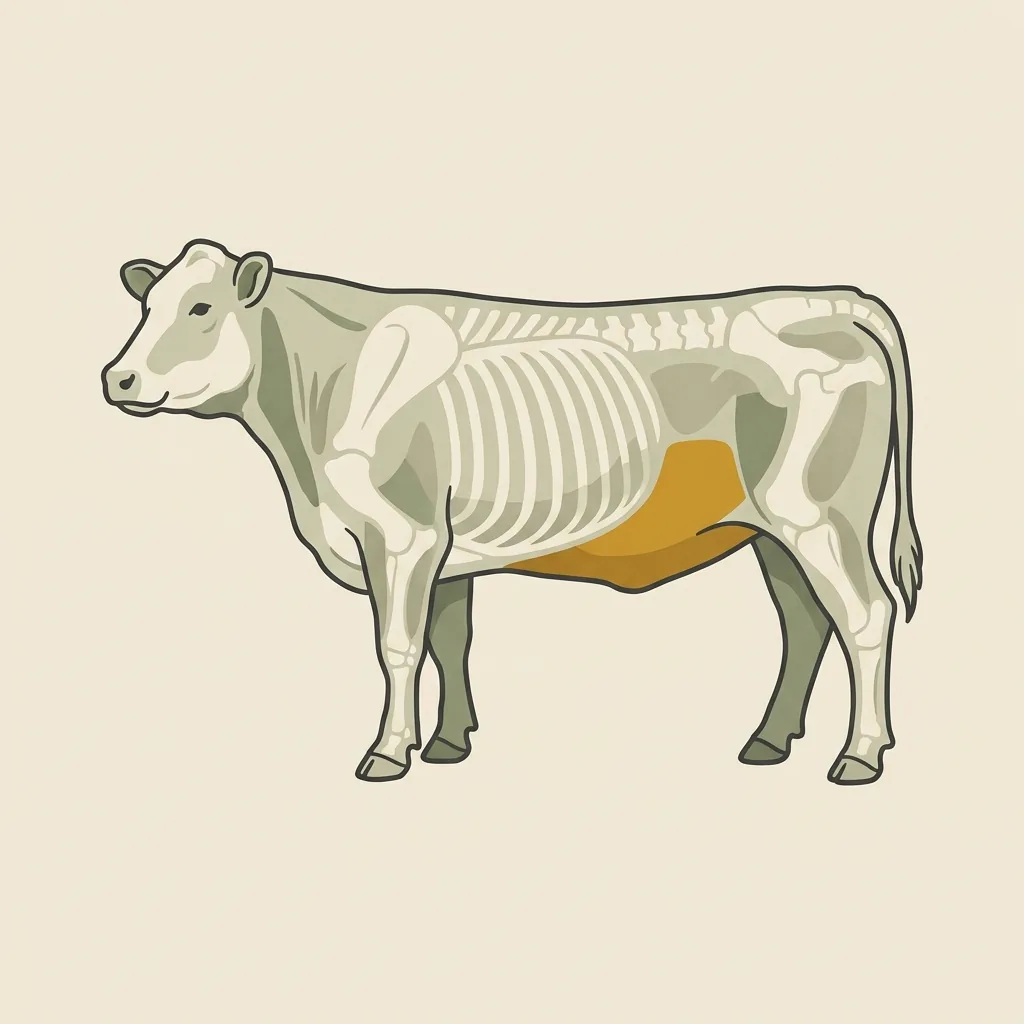 — 07 · Abdomen
Flank
-
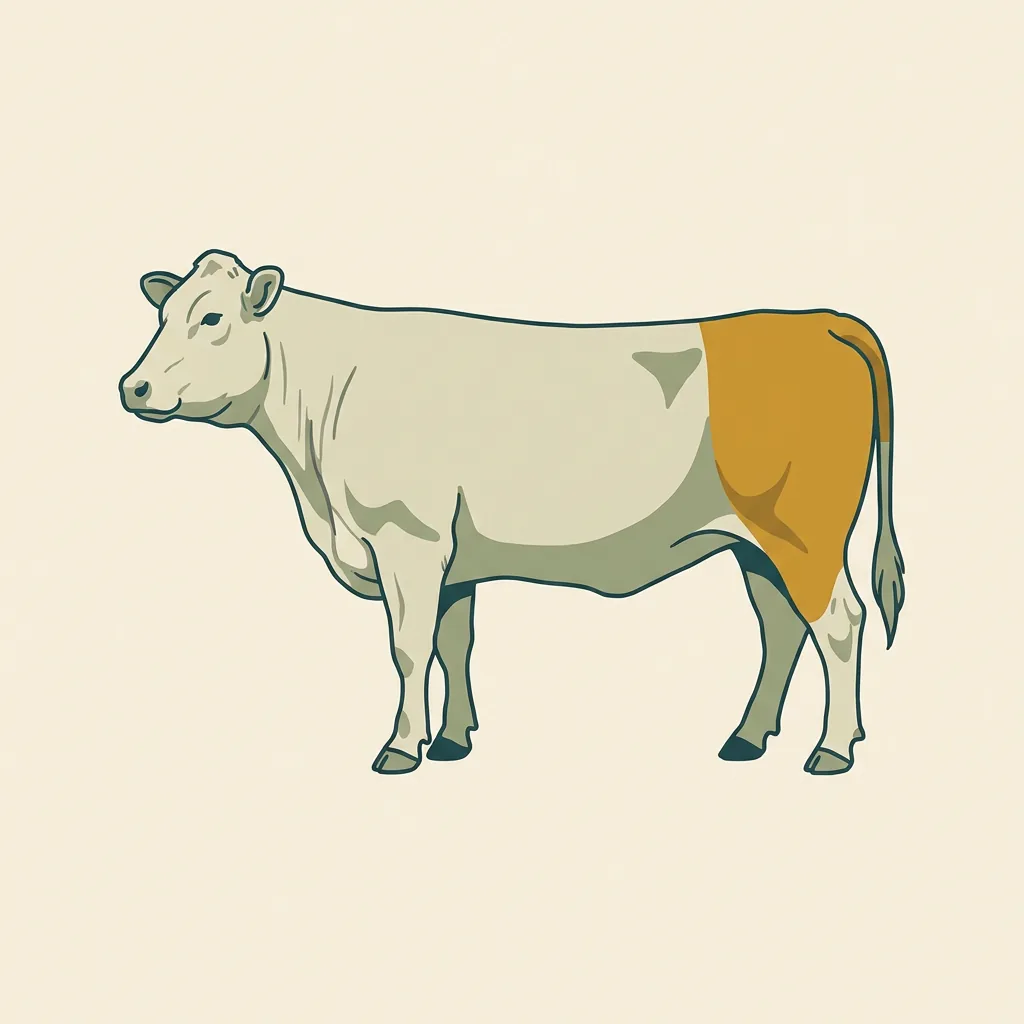 — 08 · Hindquarter
Round
-
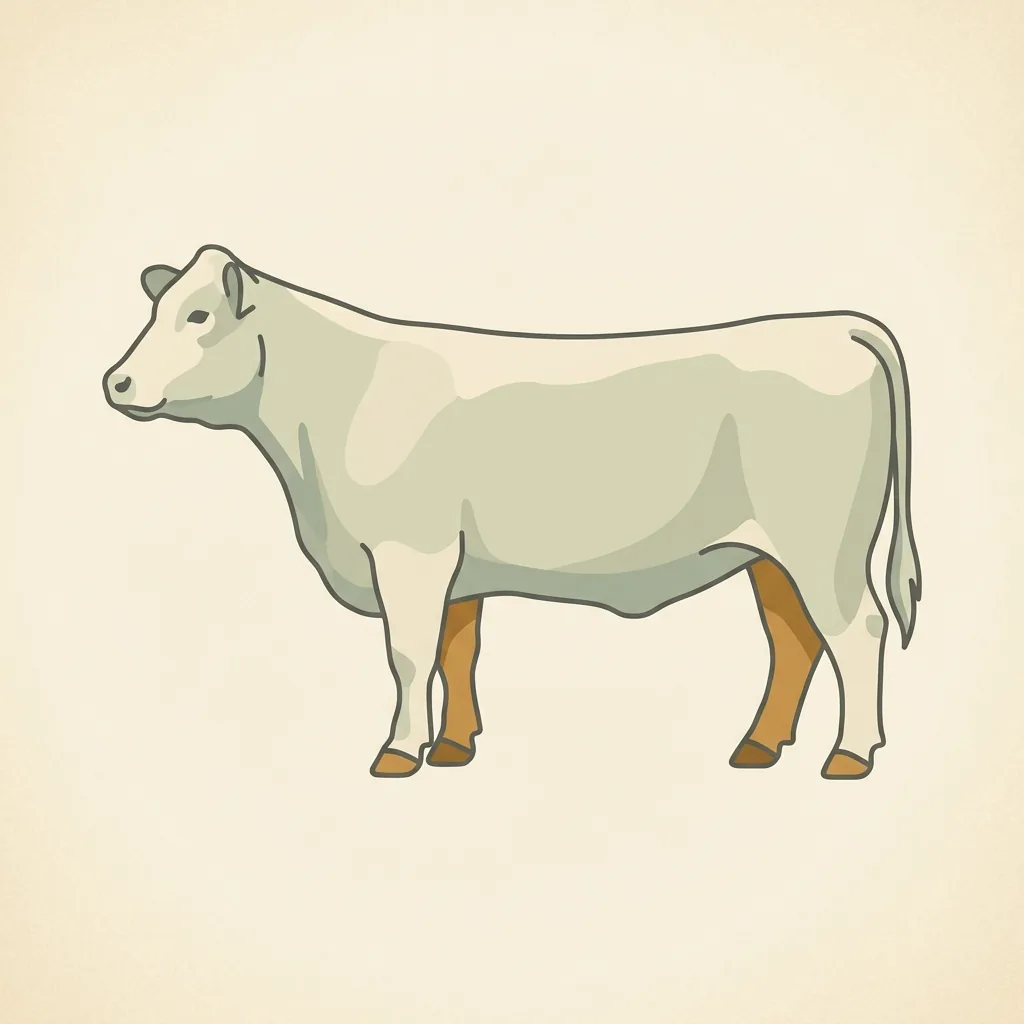 — 09 · Legs
Shank
Match the heat to the cut.
Dry heat
Grill, sear, broil, roast. Best for tender, marbled cuts — the rib, short loin, and sirloin.
Moist heat
Braise, stew, slow-cook. Best for tougher, hard-working cuts — chuck, brisket, round, and shank.
Sous vide
Precision for any cut. Cook to an exact temperature, then finish with a hot, fast sear.
Reverse sear
Low oven or smoker first, then a blazing sear. Ideal for thick steaks and a perfect edge-to-edge cook.
Start with a better cut.
Grass-fed, seam-butchered, flash-frozen — raised right here in Williston, Florida.