What the Labels Actually Mean
Grass-fed. Pasture-raised. Grass-finished. Organic. These words get used loosely, and they don’t mean the same thing. Before you spend money on premium beef, it’s worth knowing what each one actually says about how an animal was raised.
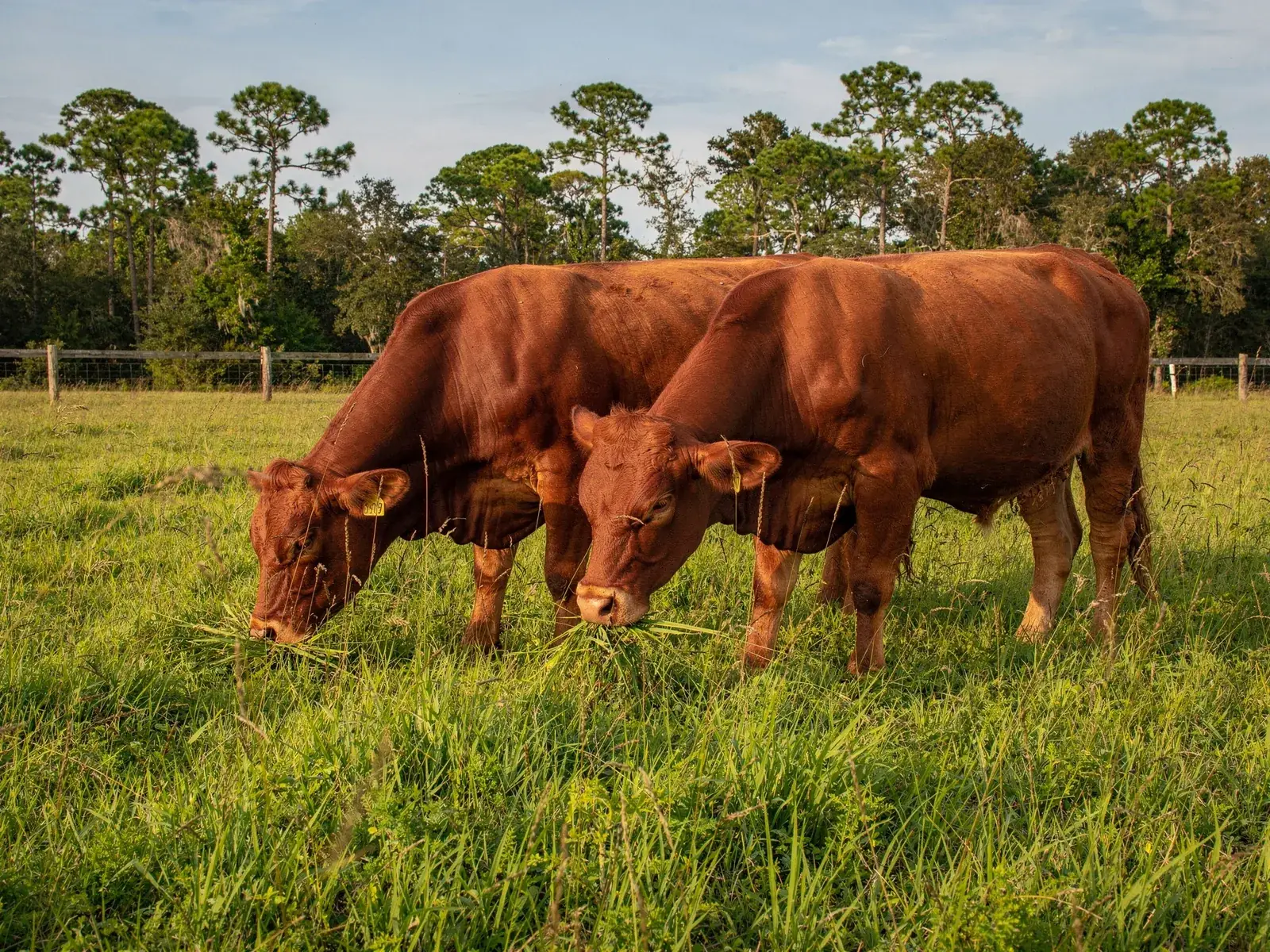
At Blue Grotto Beef, our cattle are pasture-raised and grass finished. They live their entire lives outside on Florida grass — no feedlots, no grain finishing, no growth hormones, no routine antibiotics. We don’t carry USDA Organic certification, because the process is expensive and slow and we’d rather invest that money in the land and the animals. What we do is honest grass-fed cattle raising, the way it used to be done.
Grass-Fed vs. Pasture-Raised
Grass-fed describes the diet. Pasture-raised describes the environment. A grass-fed cow could technically be raised in a barn and fed cut grass. A pasture-raised cow lives on actual pasture. The two together — grass-fed and pasture-raised — are what you want. That’s what we do.
Grass-Fed vs. Grass-Finished
This one matters more than most buyers realize. “Grass-fed” can legally mean the cow ate grass for most of its life but was switched to grain in the final 90 to 120 days to fatten it for slaughter. Grain-finishing changes the fat composition, the flavor, and the nutritional profile. “Grass-finished” means the animal ate grass and forage only, start to finish. Our cattle are grass finished. We break the whole comparison down on our grass-fed vs. grain-fed page.
USDA Organic is a federal certification with specific requirements: organic feed for the cow’s entire life, no synthetic hormones or antibiotics, and access to pasture. Many small ranches that meet the spirit of these requirements don’t carry the certification because the paperwork and audit fees are substantial. We’re one of those ranches. If certification matters to you, we’re not your option. If you want to know exactly who raised your beef and how, we are.
Where to Find Grass-Fed Beef in Florida
Florida has a small but growing number of ranches producing real grass-fed beef. Most are family operations selling directly to customers rather than through grocery stores. Direct-to-ranch is almost always the better way to buy this kind of beef — it’s fresher, you know exactly where it came from, and you support the family that raised it instead of a distributor. Our Florida farms guide covers how local buying works.
Buying Directly From a Ranch
At Blue Grotto Beef, you can order online and pick up at our ranch in Williston, or have your order delivered locally. There’s no middleman. Dave personally calls every customer within 48 hours of an order to talk through cut preferences for beef shares. That’s not a script we run for marketing — it’s just how we sell beef.
What to Ask Before You Buy
Whether you’re buying from us or from another Florida ranch, the questions to ask are the same. If a seller can’t answer these directly, that’s your answer.
- Was the animal grass finished, not just grass-fed?
- Were antibiotics or added hormones used?
- Where was the animal slaughtered and butchered?
- How long has the meat been frozen?
Florida Beef Shares: How They Work
A beef share is the most cost-effective way to buy premium beef. Instead of paying retail for individual cuts at a grocery store, you buy a portion of an animal directly from the ranch. You get the cuts at a single per-pound price that comes out significantly cheaper than grass-fed beef at the store — and you get a year’s supply of beef in your freezer at one time.
What’s in a Beef Share
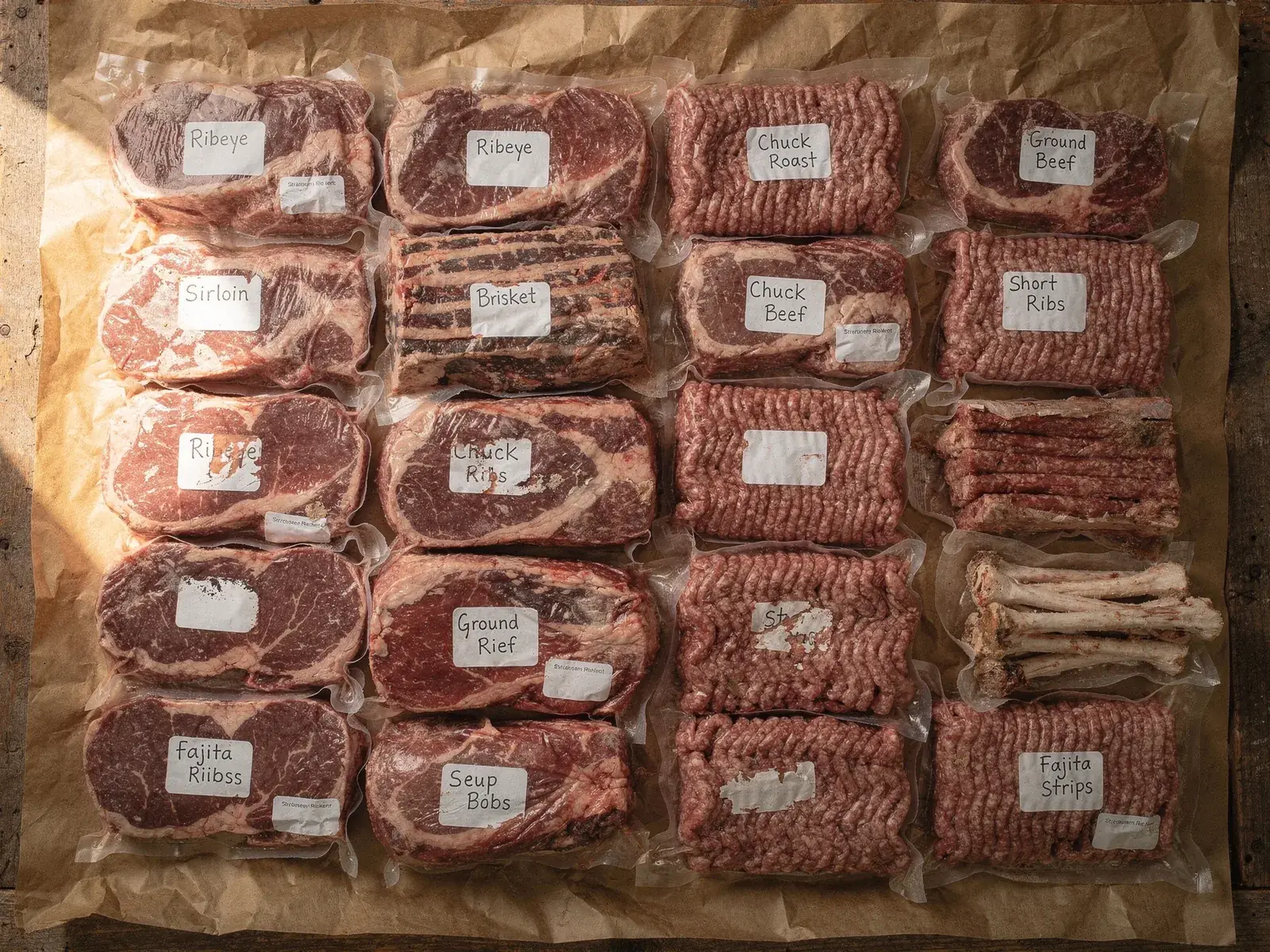
A share is a real cross-section of the animal — steaks, roasts, ground beef, and specialty cuts. Pricing starts at $15 per pound, and within any share every cut is the same price — meaningfully less than the $24-plus you’d pay for grass-fed beef at a grocery store.
Pricing starts at $15 / lb — the eighth share is the easiest place to start.
How the Process Works
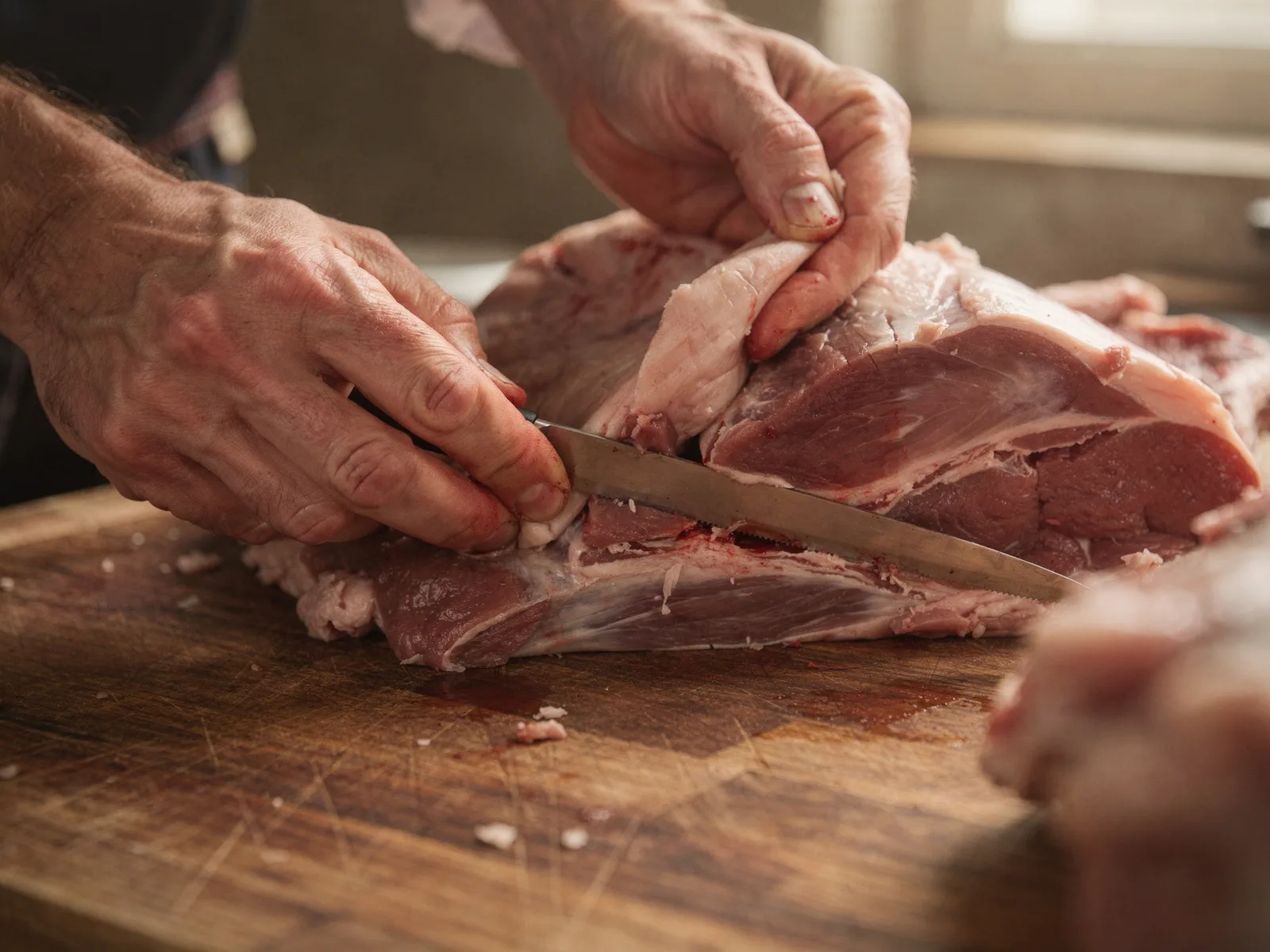
You reserve a share. We call you within 48 hours to walk through your cut sheet — how thick you want your steaks, whether you prefer roasts or stew meat from certain primals, how much ground beef versus whole cuts. The animal is processed at a local Florida butcher we trust, who uses seam butchery (separating cuts along natural muscle seams rather than band-sawing through bone). The result is cleaner cuts and less waste. Your share is vacuum sealed, flash frozen, and ready for pickup or local delivery.
Why Beef Shares Make Sense
Three reasons. One: cost per pound is lower. Two: you know exactly which animal your beef came from, where it lived, and how it was raised. Three: a freezer full of cuts means you stop thinking about what’s for dinner — you just pull something out the night before. For families that cook at home regularly, a half or whole share pays for itself in about six months versus grocery-store prices. You can read more on our best suppliers page.
Eighth, quarter, half, or whole — reserve the size that fits your freezer.
View beef sharesWe can tell you the name of every animal on the ranch.
— Blue Grotto Beef, WillistonHow to Buy Florida Grass-Fed Beef Online
Buying grass-fed beef online is straightforward when you’re buying from the ranch itself. Avoid marketplace sellers and third-party meat aggregators — the value of grass-fed beef comes from knowing who raised it, and that information disappears as soon as a distributor gets involved. We cover this in depth on our buy online guide.
What Good Beef Looks Like
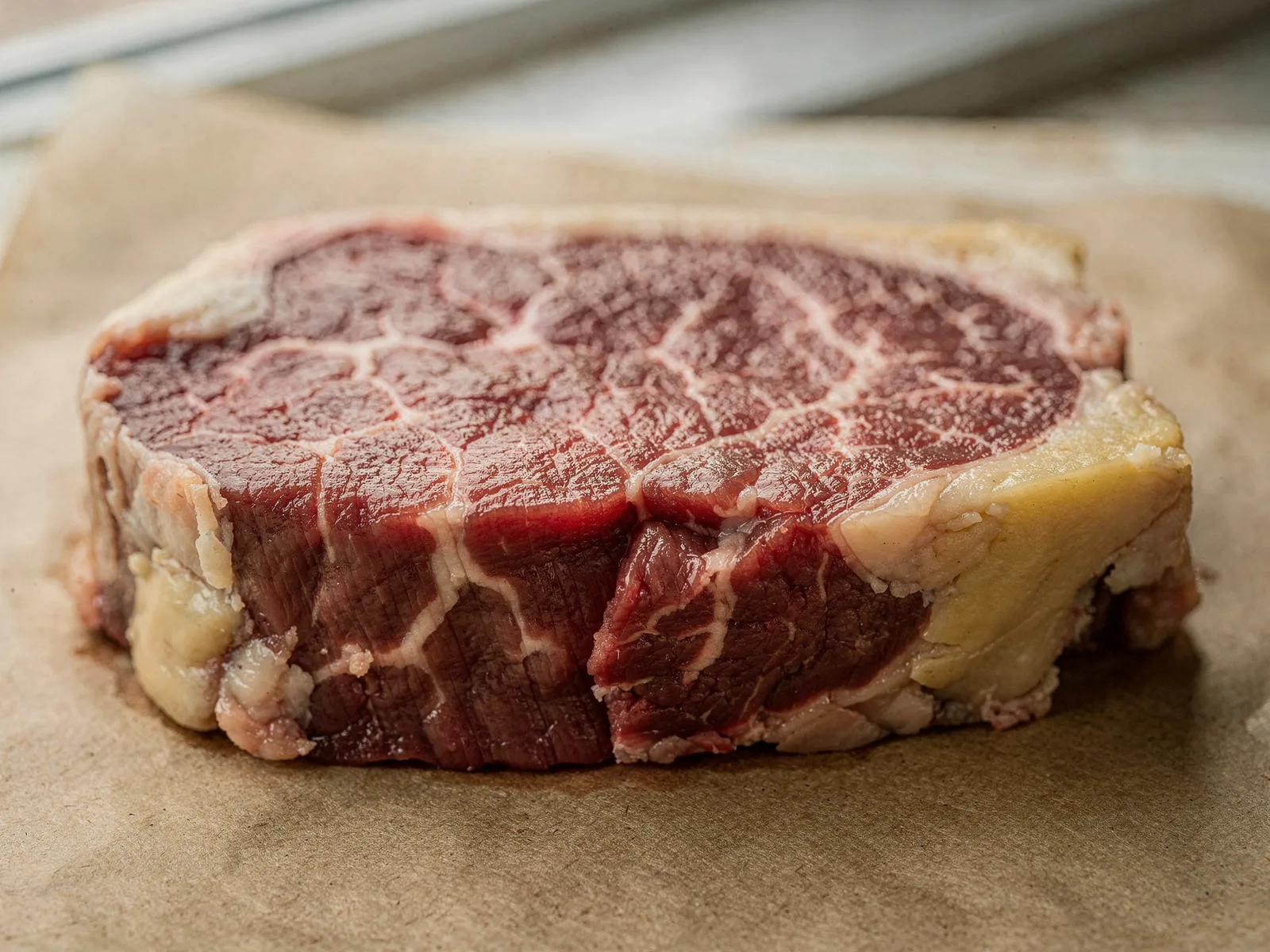
Color first: grass-finished beef has a deeper, more saturated red than grain-finished beef, because of the diet and the higher iron content. Fat second: it should be cream-colored or pale yellow, not bright white — bright white fat is a sign of grain finishing. Marbling third: less marbling than grocery-store beef is normal and expected. The leaner profile is part of what makes grass-finished beef nutritionally different. See our nutrition facts for the numbers.
Online Ordering With Blue Grotto Beef
We sell exclusively online and through local pickup at the ranch in Williston. We don’t ship long-distance — frozen beef shipping is expensive, and the math rarely works out in the customer’s favor. If you’re within driving distance of Williston, you can pick up. If you’re within our local delivery zone in Central Florida, we deliver to you. Both are free. Our delivery page has the details.
Visit our shop to see what’s currently available. Inventory is limited because we only harvest a few animals per cycle — when something sells out, it’s out until our next batch.
Inside Blue Grotto Beef
We’re a small family ranch in Williston, Florida. We started Blue Grotto Beef because we wanted to raise cattle the way they were meant to be raised — on grass, on open pasture, without the shortcuts that define industrial beef production. What we built is small on purpose.
How We Raise Our Cattle
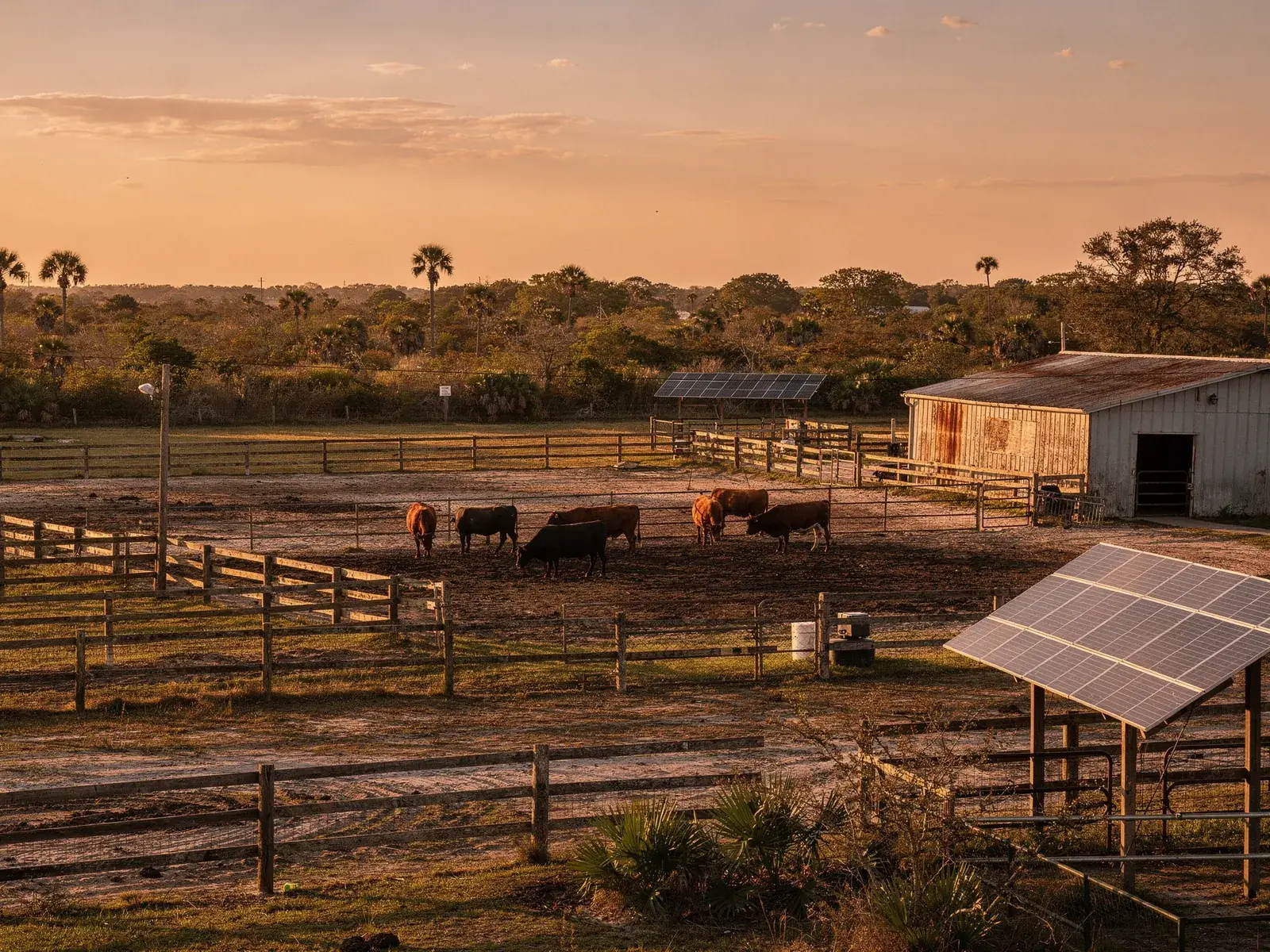
Open pasture, year-round. Our cattle move between pastures on a rotation that lets the grass recover and the soil stay healthy. They eat what grows naturally — native Florida grasses, clover, and forage. No grain. No silage. No hormones. No routine antibiotics. The whole operation runs on solar power. One hundred percent of plant and animal waste is composted and returned to the pasture. We’re not chasing certifications — we just believe this is the right way to do it.
Who’s Behind the Ranch
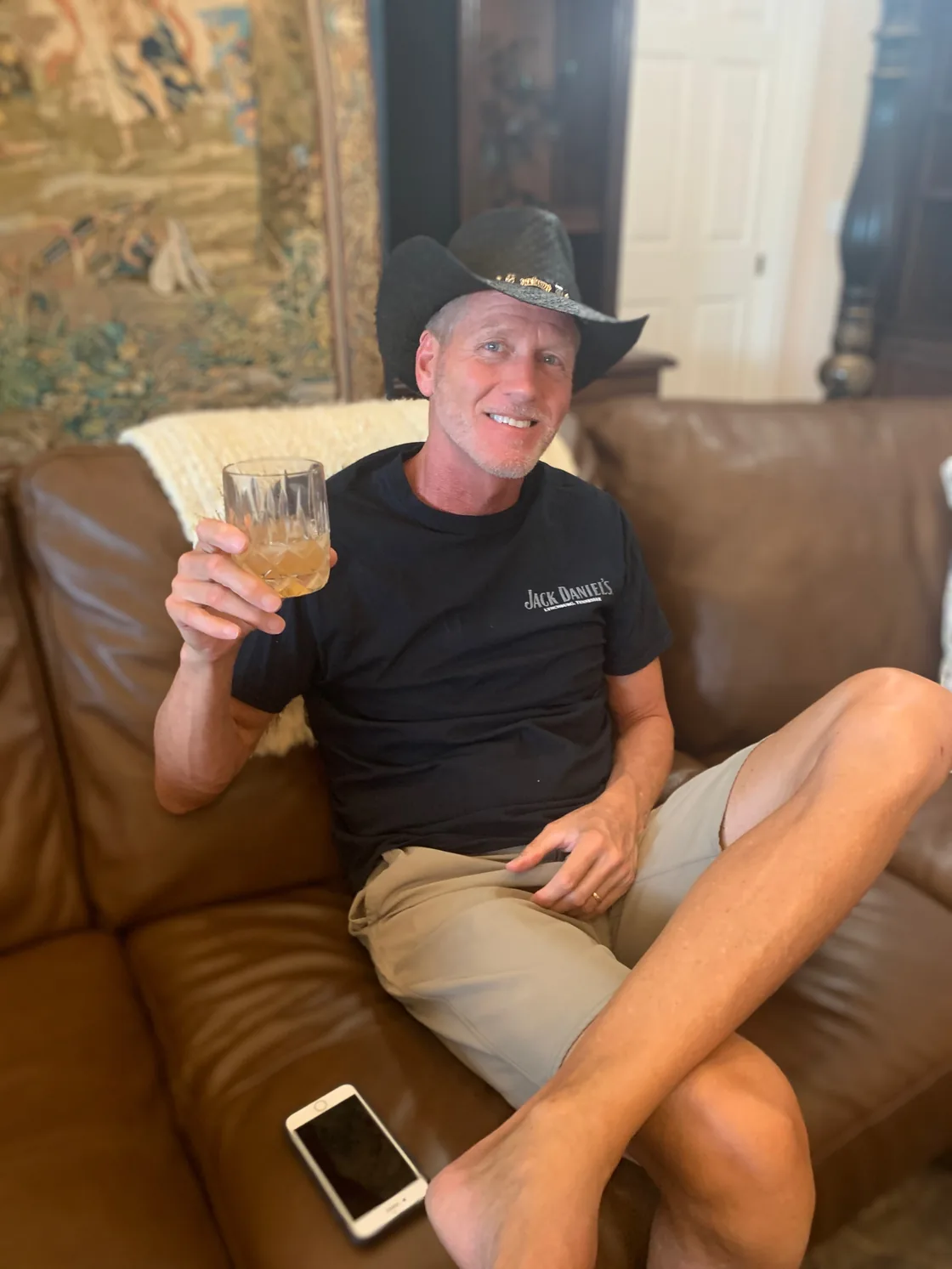
Blue Grotto is run by our family, and day to day that mostly means Dave — the cattle, the customers, the cut sheets, and most of the labor.
Dave spent a career building and selling businesses before he and his wife Debbie put down roots in Williston and started planting the Blue Grotto operations into the land here — the dive resort, then the farm, and eventually the ranch. He and Debbie have been married since 1989. Three grown children, eight grandchildren.
When he’s not working cattle, he’s most likely reading next to Debbie, playing guitar and singing, or out in the pasture for no reason other than he likes being there. Faith runs underneath all of it — Dave will tell you the quiet mornings with scripture and prayer are what the rest of the day is built on, and that a good long conversation about the goodness of God is about his favorite thing there is.
That’s the ethos: responsible to the land, to the animals in our care, and to the families who trust us to feed them. Everything else is just the work. Read more about the ranch.
Frequently Asked Questions
What’s the difference between grass-fed and grain-finished beef?
Grass-fed cattle eat grass and forage their whole lives. Grain-finished cattle are switched to a grain diet in the final 90 to 120 days before slaughter to fatten them up. Grain-finishing changes the flavor, the fat color, and the nutritional profile — generally toward more saturated fat and less omega-3. Our beef is grass finished, never grain finished.
Why is grass-fed beef better for you?
Grass-finished beef tends to have more omega-3 fatty acids, more conjugated linoleic acid (CLA), and a leaner profile than grain-finished beef. We’re not going to make medical claims — we’re not doctors. But the nutritional difference is well documented if you want to look into it. See our nutrition facts page.
Where can I buy grass-fed beef in Florida?
Directly from ranches that raise it. Some sell at farmers markets, some through online ordering, some through farm pickup. At Blue Grotto Beef, we sell online with local pickup at our Williston ranch or free local delivery within our Central Florida service area. Skip the grocery-store middle-shelf labels — go direct.
Is grass-fed beef more expensive than grocery-store beef?
Per pound at the grocery store, yes. But when you buy a beef share directly from a ranch, the price drops significantly. Our shares start at $15 per pound for premium grass-finished beef, compared to $24 or more per pound for comparable cuts at a grocery store. Buying in bulk through a share is the most cost-effective way to put grass-fed beef on the table.
Do I need a giant freezer to buy a beef share?
For an eighth share (around 50 pounds), a standard chest freezer or even the freezer compartment of a large fridge works fine. For a quarter or larger, you’ll want a dedicated chest or upright freezer. If you don’t have the space, the eighth share is the easiest place to start.
When can I order? Is there a season?
Florida’s climate lets us raise cattle year-round, so we have beef most of the year. We harvest in batches, though, so specific cuts and shares come in and out of stock between harvests. Reserve a share when you see one available — if you wait, it may be gone until the next cycle.
Can I visit the ranch?
Pickup customers see the ranch when they come for their order. We don’t run formal tours, but if you’re ordering a share and want to see where the cattle live, just ask when Dave calls you.